HEROs ENGINE, 1st CENTURY Print






Framed Prints From Granger
This artwork is available as
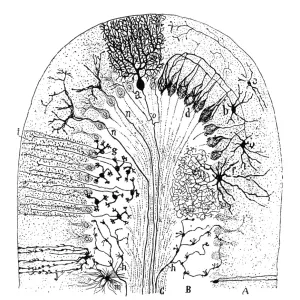
Framed Print of The Aeolipile, or Heros engine, described by Hero of Alexandria in the 1st century, as a device for opening temple doors
HEROs ENGINE, 1st CENTURY.
The Aeolipile, or Heros engine, described by Hero of Alexandria in the 1st century, as a device for opening temple doors. Granger holds millions of images spanning more than 25,000 years of world history, from before the Stone Age to the dawn of the Space Age.
Artwork Licensed From Granger
Your chosen combination is quickly and professionally made to order - Shipping & Delivery Details
If you are not entirely happy with your items, simply return them to us within 30 days for a replacement or full refund - 30 Day Returns
Media ID 10408178
Editors' Comments
Step back in time with Media Storehouse's Framed Prints featuring the intriguing Aeolipile, or Hero's engine. This ancient marvel, described by Hero of Alexandria in the 1st century, was believed to have been used for opening temple doors. With its intricate design and historical significance, this print is an addition to any room. Bring a piece of the past into your home or office with our framed prints, expertly crafted to preserve and showcase the beauty and detail of this fascinating art piece from Granger Art on Demand.
Unlock the secrets of ancient ingenuity with these captivating prints. Depicting The Aeolipile, a pioneering device from 1st century Alexandria, they showcase Hero's ingenious solution for temple doors. A testament to human curiosity and innovation, this apparatus demonstrates the earliest recorded use of steam power in history.
This artwork is also available as...
Photo Prints - Step back in time with Media Storehouse's photographic print of "The Aeolipile, or Heros Engine" by 140_1637311 from Granger Art on Demand. This image brings to life Hero of Alexandria's ancient invention, believed to be the first known steam-powered rotary engine. Dating back to the 1st century, the Aeolipile was not only a marvel of engineering but also a mystery, with its original purpose still debated among historians. Add this intriguing piece to your collection and let the story of innovation unfold in your home or office space.
Greetings Cards - Greetings Cards featuring historical illustrations of ancient inventions like the Aeolipile, a device described by Hero of Alexandria in the 1st century as a means to open temple doors. Perfect for history buffs and those seeking educational Greeting Cards with a touch of nostalgia and intellectual curiosity about science and technology.
Photo Mugs - Bring history to life with our Photo Mugs, featuring an intriguing image of the Aeolipile, or Hero's engine. This ancient invention, described by Hero of Alexandria in the 1st century, was believed to be the first known steam-powered rotary engine. Use this mug to enjoy your favorite beverage while pondering the engineering marvels of the past. The print of this image from Granger Art on Demand ensures a long-lasting display. Perfect for history buffs, engineers, or anyone with an appreciation for the wonders of the past. Embrace the richness of history with every sip.
Poster Prints - Step back in time with Media Storehouse's poster prints, featuring the intriguing image of "The Aeolipile, or Hero's Engine" by 140_1637311 from Granger Art on Demand. This ancient engineering marvel, described by Hero of Alexandria in the 1st century, is believed to be one of the earliest known steam-powered devices. Once thought to be used for opening temple doors, this iconic art piece shows the ingenuity and innovation of ancient civilizations. Bring the mystery and wonder of the past into your home or office with this stunning, poster print.
Metal Prints - Step back in time with our Metal Print of The Aeolipile, or Hero's Engine, an engineering marvel from the 1st century. Described by Hero of Alexandria, this ancient invention is believed to be the first known steam-powered rotary engine. With intricate details and clarity, our metal print brings the history of engineering to life. Perfect for engineers, historians, or anyone with a passion for the wonders of the past. Experience the rich history of technology in a whole new way with our metal print.
Canvas Prints - Canvas Prints featuring historic masterpieces like 'The Aeolipile, or Heros engine' by 140_1637311 from Granger. This ancient device, described by Hero of Alexandria in the 1st century, is now beautifully reproduced on canvas prints for a educational addition to any room.
Cushions - Cushions featuring historical illustrations, such as 'The Aeolipile, or Heros engine', a 1st-century device described by Hero of Alexandria for opening temple doors. Add a touch of ancient wisdom to your living room with these fascinating Cushions and statement furniture accessories.
Mouse Mats - Step into the past with our range of Mouse Mats, featuring a fascinating piece of history - 'The Aeolipile, or Heros engine' by 140_1637311 from Granger Art on Demand. This ancient device, described by Hero of Alexandria in the 1st century as a means to open temple doors, is now bringing modern functionality and style to your workspace. Protect your desk and fuel your creativity with this blend of innovation and heritage.
Premium A1 (A2 Poster)
Ready to Hang Contemporary Framed Prints adds style, protection, and a polished touch to your space - effortlessly.
Your artwork will be printed as shown in the preview. To adjust please select Print Options under the Buy button
Premium Paradise Wooden Range A1 Premium Poster Frame (86x62cm) with A2 Poster (59x42cm) and mounted behind a white matt board to make your photo really stand out. FSC Certified and Rainforest Alliance Certified for environmental, social, and economic sustainably. High transparency tempered glass window with a smooth finished frame. Great for filling empty walls, decorating blank spaces, or creating eye-catching gallery walls. Frames arrive ready to hang. Sent with secure, protective packaging. Smooth wooden veneer mimics the real wood look and feel with ultra-durable scratch resistance tempered glass. Note: measurements provided are estimated outer dimensions, which include both the image and the frame. While we aim to keep sizing consistent, exact dimensions may vary slightly due to differences in print size or production requirements, which may result in a variation in the overall size (up to approximately 2.5cm (1"))
These are individually made so all sizes are approximate
Estimated Image Size (if not cropped) is 58.8cm x 41.4cm (23.1" x 16.3")
Estimated Product Size is 86.6cm x 62cm (34.1" x 24.4")
Features in These Collections
Home > Granger Art on Demand > Plans and Diagrams