Vajra Symbolism: A Diamond Thunderbolt Print






Framed Prints From imageBROKER
This artwork is available as
Framed Print of Vajra is a Sanskrit word meaning both thunderbolt and diamond
Vajra is a Sanskrit word meaning both thunderbolt and diamond. Additionally, it is a symbolic ritual object that symbolizes both the properties of a diamond (indestructibility) and a thunderbolt (irresistible force).
The vajra is used symbolically by the Dharma traditions of Buddhism, Jainism and Hinduism, often to represent firmness of spirit and spiritual power. The use of the vajra as a symbolic and ritual tool spread from India along with Indian religion and culture to other parts of East and Southeast Asia.
The date of construction of the Svayambhunath stupa, its origins steeped in myth, is unknown. According to the inscriptions on an ancient and damaged stone tablet at Svayambhunath, King Vrishadeva (ca. 400 CE) was the first to build a place of worship on the site. His grandson, King Manadeva I (ca. 464-505) may have made some additions.
The Muslim invasion of 1349 undid all the pious building work, the marauding Muslim warriors dismantling every kafir (infidel) sanctuary that they came across. An inscription at Svayambhunath records the date of the Muslim invasion as 20 November 1349, in all probability a very accurate account. After the raids Svayambhunath was restored, and most of the buildings seen today are from the post-invasion period.
Swayambhunath (Devnagari: स्वयम्भूनाथ स्तुप) is an ancient religious complex atop a hill in the Kathmandu Valley, west of Kathmandu city. It is also known as the Monkey Temple as there are holy monkeys living in parts of the temple in the north-west. The Tibetan name for the site means Sublime Trees (Wylie:Phags.pa Shing.kun), for the many varieties of trees found on the hill.
For the Buddhist Newars in whose mythological history and origin myth as well as day-to-day religious practice, Swayambhunath occupies a central position, it is probably the most sacred among Buddhist pilgrimage sites. For Tibetans and followers of Tibetan Buddhism, it is second only to Bodhnath
Vajra is a Sanskrit word meaning both thunderbolt and diamond. Additionally, it is a symbolic ritual object that symbolizes both the properties of a diamond (indestructibility) and a thunderbolt (irresistible force).
The vajra is used symbolicall. Explore the World Through imageBROKER Prints. © imageBROKER/Rainer Krack
Artwork Licensed From imageBROKER (imageBROKER.com/13286162)
Your chosen combination is quickly and professionally made to order - Shipping & Delivery Details
If you are not entirely happy with your items, simply return them to us within 30 days for a replacement or full refund - 30 Day Returns
Media ID 43266020
Buddhist Temple Architecture , UNESCO World Heritage Site Nepal , Kathmandu Valley Landmarks , Nepalese Cultural Heritage Sites
Editors' Comments
the majestic beauty of 'Vajra is a Sanskrit word meaning both thunderbolt and diamond' by Rainer Krack, available from Media Storehouse's Framed Prints collection. This image transports you to a realm of serenity and strength, where the power of nature meets the elegance of art. Bring a touch of spiritual wonder into your home or office with this piece.
Premium A1 (A2 Poster)
Ready to Hang Contemporary Framed Prints adds style, protection, and a polished touch to your space - effortlessly.
Your artwork will be printed as shown in the preview. To adjust please select Print Options under the Buy button
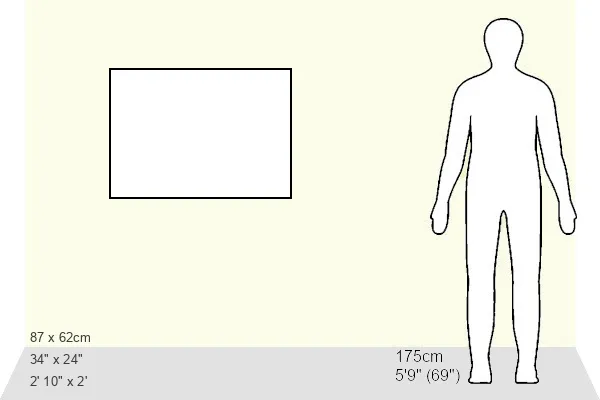
Premium Paradise Wooden Range A1 Premium Poster Frame (86x62cm) with A2 Poster (59x42cm) and mounted behind a white matt board to make your photo really stand out. FSC Certified and Rainforest Alliance Certified for environmental, social, and economic sustainably. High transparency tempered glass window with a smooth finished frame. Great for filling empty walls, decorating blank spaces, or creating eye-catching gallery walls. Frames arrive ready to hang. Sent with secure, protective packaging. Smooth wooden veneer mimics the real wood look and feel with ultra-durable scratch resistance tempered glass. Note: measurements provided are estimated outer dimensions, which include both the image and the frame. While we aim to keep sizing consistent, exact dimensions may vary slightly due to differences in print size or production requirements, which may result in a variation in the overall size (up to approximately 2.5cm (1"))
These are individually made so all sizes are approximate
Estimated Image Size (if not cropped) is 58.8cm x 41.4cm (23.1" x 16.3")
Estimated Product Size is 86.6cm x 62cm (34.1" x 24.4")
Features in These Collections
Home > Architecture > Styles > Buddhist Architecture
Home > Architecture > Temples
Home > Asia > Nepal > Nepal Heritage Sites > Chitwan National Park